


Extreme Insights
What Zero Defect Really Means in Aerospace Manufacturing and What It Does Not
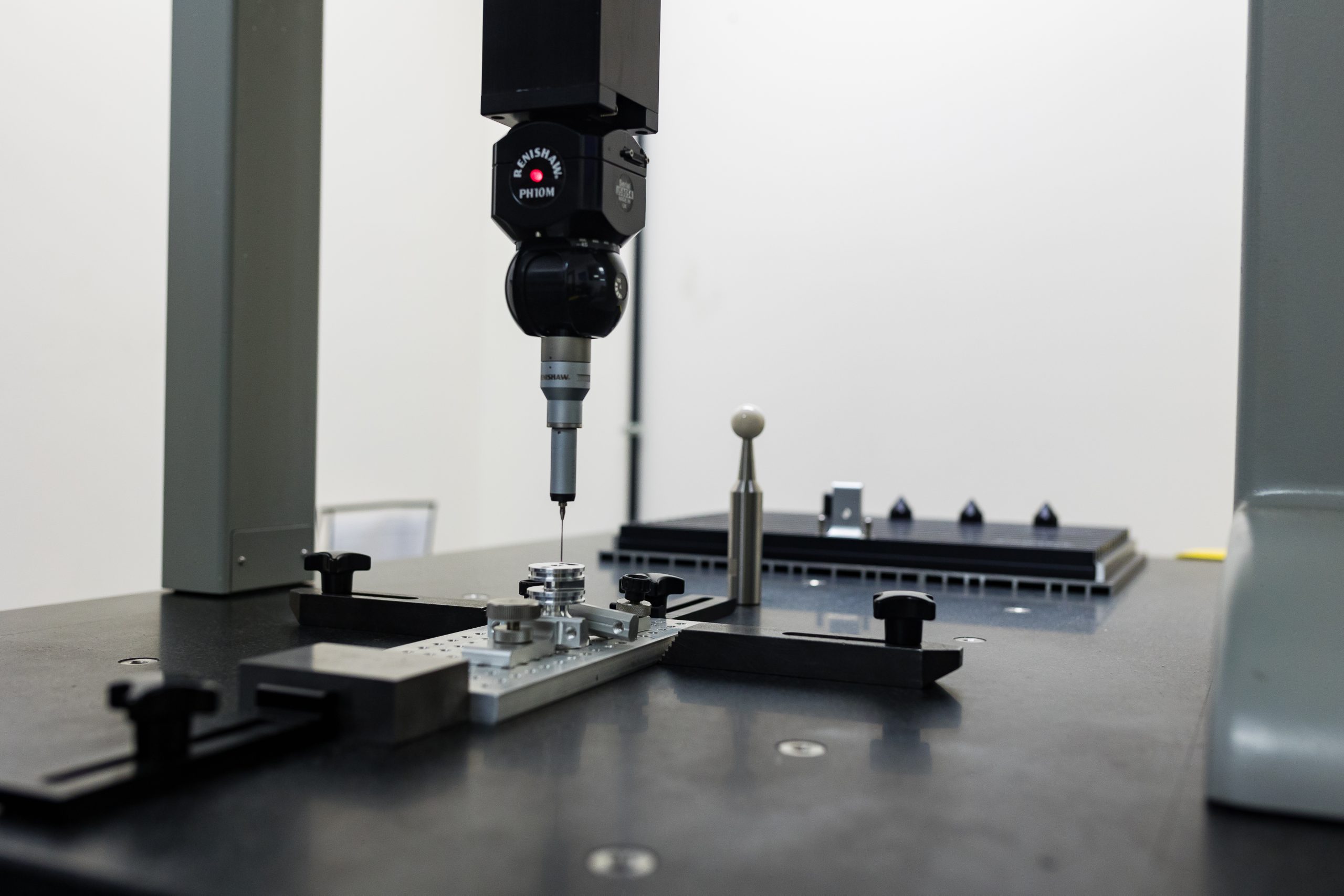
The phrase zero defect aerospace manufacturing appears frequently in supplier presentations and audit discussions, but in mission critical aerospace environments it carries consequences far beyond branding. When a nonconformance escapes into delivered hardware, containment actions begin, customer notification follows, and root cause investigation can disrupt schedules across multiple tiers. The cost is not limited to rework. It extends to program credibility, audit scrutiny, and long term supplier standing.
Zero defect is not a claim of perfection. It is a disciplined approach to defect prevention that must remain effective under schedule pressure, technical complexity, and extended program lifecycles. In regulated aerospace manufacturing, that discipline determines whether risk is controlled at its source or discovered after delivery.
What zero defect actually means in aerospace
Zero defect does not mean that human beings never make mistakes. It does not imply that internal nonconformances never occur, and it does not suggest that inspection alone can guarantee flawless output.
In aerospace manufacturing, zero defect reflects a prevention mindset. Teams design processes to control known variables. They identify risks before production release, and define and monitor critical characteristics intentionally. The goal is not to rely on final inspection to catch errors but to reduce the probability of error at its source.
This approach depends on aerospace quality systems that connect planning, machining, inspection, documentation, and corrective action. When these functions align, defective prevention becomes routing discipline rather than a reactive initiative.
Why zero defect matters in regulated aerospace programs
Aerospace programs operate under scrutiny from customers, regulatory bodies, and internal quality teams. When a defect escapes into delivered hardware, investigators examine more than the part. They examine the system that produced it, ask how the deviation entered the process, why controls did not detect it, and whether similar exposure exists elsewhere.
A late discovery of nonconformance often reveals that controls were either insufficient or inconsistently applied. That inconsistency introduces supplier risk that can affect contract standing and future awards.
Zero defect execution reduces the likelihood of these escalations. It stabilizes the delivery performance and reinforces trust across long qualification cycles and Tier 1 relationships.
How defect prevention works in practice
Defect prevention begins before the first chip is cut. Engineering teams review drawing requirements, material specifications, functional intent, and tolerance stack conditions with rigor. Tight tolerances require realistic assessment of process capability. Features that drive performance require inspection plans aligned to their risk.
Most defects originate from identifiable sources such as ambiguous requirements, weak process control, inconsistent setup practices, or unmanaged change. Addressing these factors early reduces downstream exposure.
For example, if a bore diameter is both dimensionally tight and functionally critical, the process plan must define how tool wear will be monitored, how offsets will be adjusted, and how measurement repeatability will be verified. Waiting until the characteristic approaches a limit before reacting is not consistent with zero defect discipline. Prevention requires attention before tolerance boundaries are threatened.
Inspection supports this discipline, but it cannot compensate for uncontrolled variation upstream. Teams must validate measurement methods, calibrate equipment, and maintain traceable records. Final inspection alone does not produce zero defect performance but controlled processes do.
What zero defect does not mean
Zero defect requires transparency, not concealment. When teams detect, document, and correct internal nonconformances, they demonstrate that the system functions as intended. Suppressing issues to preserve appearance weakens long term performance.
It also does not justify unrealistic commitments. Lead times, engineering support, and inspection capacity must align with program demands. When workload exceeds the ability of the quality system to respond with rigor, the risk of escape increases and quality drift follows.
Zero defect should not be interpreted as a guarantee of perfection. It is a commitment to structured prevention, disciplined response, and continuous strengthening of controls.
Where zero defect discipline is tested
Consider a Tier 1 aerospace program that has completed first article approval and moved into steady production. After several lots, a trend begins to develop in a secondary characteristic. The dimension remains within tolerance, but statistical data shows gradual movement toward a limit. A prevention driven approach requires investigation before the limit is reached. Tool wear patterns, environmental conditions, or fixturing stability may be contributing. Acting early protects both schedule and credibility.
In another situation, a customer audit requests traceability documentation for parts delivered more than a year earlier. Material certifications, inspection records, and process documentation must be retrieved without delay. A mature system provides these records clearly and completely. Difficulty in retrieving documentation suggests gaps that could extend beyond the immediate request.
Supplier transitions provide a further test. When work is transferred due to performance issues elsewhere, the receiving manufacturer must establish stable processes quickly while maintaining quality assurance aerospace standards. Zero defect aerospace manufacturing in this context requires careful onboarding, controlled validation, and disciplined communication before full production release.
How aerospace quality systems sustain consistency
Sustained performance depends on integration. Process plans must align with drawing intent. Document control must ensure that only current revisions are used. Inspection equipment must be capable of resolving the tolerances specified. Operator training must match part complexity. Corrective action procedures must identify true root causes and verify effectiveness.
These controls reinforce one another. A weakness in documentation can compromise traceability. Inadequate training can undermine process capability. Poorly defined inspection processes can miss early signals of variation. Zero defect execution requires that each element functions reliably, not in isolation but as part of a coordinated system.
For long term aerospace programs, this consistency must endure across personnel changes, design updates, and production cycles. Stability over time is the true measure of quality maturity.
How EPSP applies zero defect discipline
At EPSP, zero defect is approached as an operational expectation rather than a marketing statement. Engineering review precedes production release to clarify requirements and identify risk. Process planning aligns machining strategy and inspection rigor with part criticality. Teams embed traceability into daily workflow instead of treating it as administrative overhead.
When teams identify nonconformance internally, they document it, analyze root cause, and verify corrective action before closure. Accountability appears in follow through, not in assurances.
EPSP manages capacity to protect inspection integrity and quality system performance. By prioritizing focused, long term relationships, the company maintains the discipline required to support mission critical components without compromising standards.
What this means for your program
Zero defect is not a slogan that can be adopted without structural change. It is a framework that shapes engineering review, production planning, inspection rigor, and corrective action discipline. Programs that rely on prevention rather than detection experience fewer disruptions and more stable supplier relationships.
For procurement leaders and quality engineers evaluating long term manufacturing partners, the relevant question is not whether zero defect is claimed. It is whether daily operations reflect a prevention driven mindset supported by robust aerospace quality systems and consistent supplier accountability.
Learn more about EPSP’s approach to zero defect aerospace manufacturing and explore how disciplined execution supports reliable performance across critical aerospace programs.
