


Extreme Insights
Ma Deuce, The .50-Cal Machine Gun
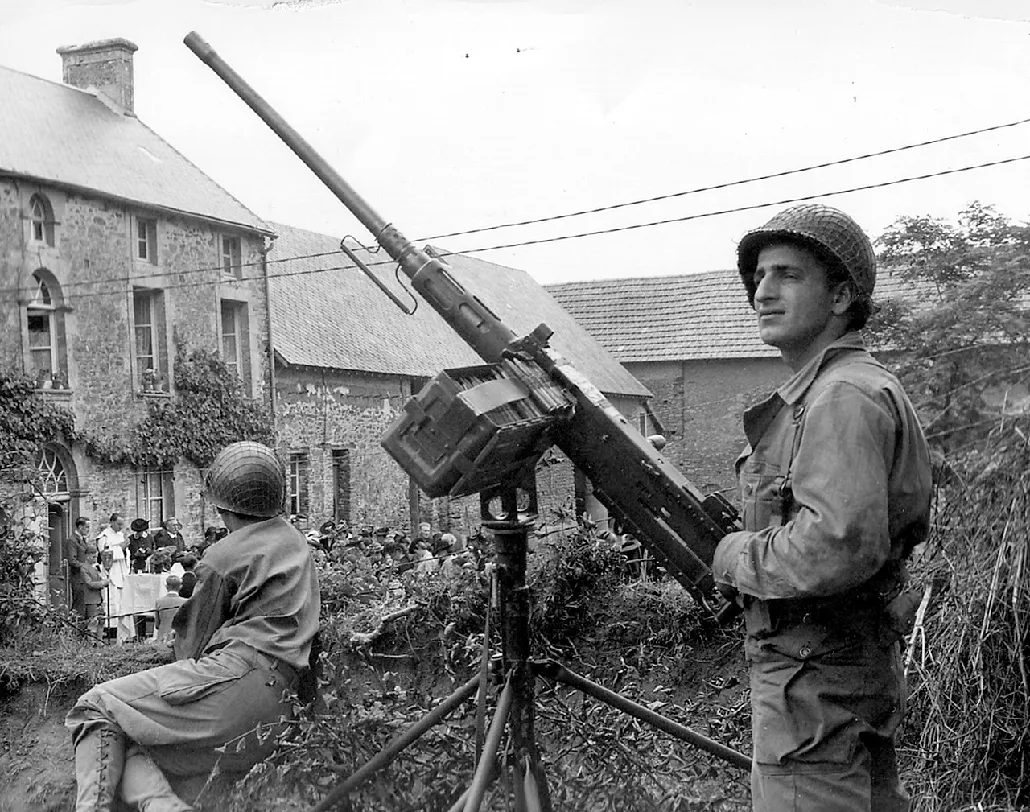
History of the .50 Cal Machine Gun
The M2 .50 caliber machine gun, also known as the “Ma Deuce,” has been a pivotal asset in the U.S. military arsenal since its introduction in the 1930s. Renowned for its power, reliability, and versatility, the M2 played a crucial role during World War II, serving across various platforms and areas of operation. Extreme Precision Screw Products’ first jobs (known as J.E. Mclucas at the time) made the firing pins for these machine guns. They also manufactured parts for the Norden bombsight and detonator timing screws for aerial bombs.
Development and Early Adoption of the M2
The inception of the M2 machine gun traces back to the end of World War I, when the U.S. military recognized the need for a heavier machine gun capable of engaging aircraft, vehicles, and fortified positions. Designed by the legendary firearms inventor John Browning, the M2 was officially adopted by the U.S. Army in 1933. Chambered for the powerful .50 BMG (Browning Machine Gun) cartridge, it offered exceptional range and stopping power, making it suitable for both anti-aircraft and anti-vehicle roles.
Role in World War II
During World War II, the M2’s adaptability led to its widespread use across multiple branches of the U.S. military:
- Infantry Support: Mounted on the M3 tripod, the M2 provided suppressive fire against enemy infantry and light vehicles. Its ability to deliver sustained fire made it invaluable in both offensive and defensive operations.
- Vehicle Integration: The M2 was standard equipment on various armored vehicles, including tanks, half-tracks, and jeeps. Its presence enhanced the firepower of these platforms, allowing them to engage both ground and low-flying aerial targets effectively.
- Anti-Aircraft Defense: The M2 was mounted on naval vessels and employed in dual or quad configurations to defend against enemy aircraft. The M45 Quadmount, featuring four M2 guns, became a formidable anti-aircraft system, earning nicknames like “Meat Chopper” and “Krautmower” for its effectiveness.
Operational Impact
The M2’s performance during World War II solidified its reputation:
- Firepower: With a rate of fire between 450 to 600 rounds per minute and a maximum effective range of approximately 1,800 meters, the M2 could engage a wide array of targets, from infantry to aircraft.
- Durability: Its robust design ensured reliable operation under harsh combat conditions, reducing the likelihood of malfunctions during critical moments.
- Versatility: The M2’s capability to be mounted on various platforms meant it could be deployed in numerous roles, from fixed defensive positions to mobile assault operations.
Legacy
The success of the M2 during World War II set the stage for its continued service in subsequent conflicts, including the Korean War, Vietnam War, and into the 21st century. Its enduring presence in the U.S. military and among allied forces worldwide is a testament to its exceptional design and battlefield effectiveness.
The M2 .50 caliber machine gun’s remarkable performance during World War II solidified its place as one of the most effective heavy machine guns in military history. Its reliability, versatility, and firepower made it a crucial asset across land, air, and sea operations. Even today, the M2 remains a symbol of precision engineering and durability.
At Extreme Precision Screw Products, we take pride in manufacturing high-precision components that contribute to the reliability and performance of military-grade weaponry. Just as the M2 has stood the test of time, our commitment to precision and quality ensures that today’s defense and aerospace industries continue to operate at the highest standards.
For more information on our precision manufacturing capabilities, visit epspinc.com.
