


Extreme Insights
Behind the Frontlines: The Importance of Quality in Military Manufacturing
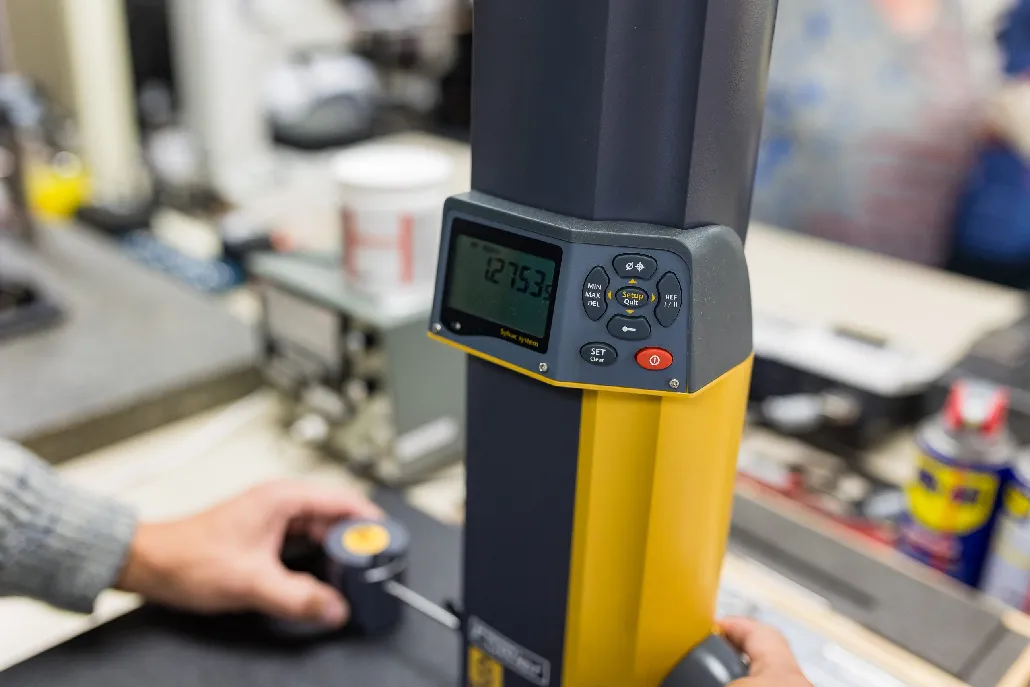
Quality in Military Manufacturing: The Cornerstone of National Defense
In the defense industry, precision, reliability, and durability are not just expectations—they are necessities. Military manufacturing plays a critical role in ensuring that equipment, technology, and systems meet the highest standards, supporting mission success and safeguarding lives.
But what defines quality in military manufacturing? How do defense contractors achieve and maintain these standards? This article explores the pillars of excellence in military manufacturing and why quality is the foundation of a strong national defense.
Why Quality Is Non-Negotiable in Military Manufacturing
- Lives Depend on It: Military equipment is deployed in high-stakes scenarios where failure is not an option. From body armor to advanced communication systems, every piece of gear must perform flawlessly to protect the lives of service members.
- National Security: The defense sector underpins a nation’s security infrastructure. Substandard manufacturing can lead to vulnerabilities that adversaries might exploit, compromising national security.
- Longevity and Reliability: Military assets often operate in extreme environments, from scorching deserts to frigid arctic zones. Quality manufacturing ensures durability and reliability under these demanding conditions, reducing the need for frequent repairs or replacements.
Key Pillars of Quality in Military Manufacturing
- Precision Engineering: Military manufacturing demands the highest levels of precision. Components must fit together seamlessly, and tolerances are often measured in microns. Advanced technologies like CNC machining and 3D printing are commonly used to achieve this level of accuracy.
- Material Excellence: The materials used in military manufacturing must withstand extreme stress and environmental conditions. Titanium, Kevlar, and high-strength composites are examples that combine lightweight properties with exceptional durability.
- Rigorous Testing: Before deployment, military equipment undergoes extensive testing to ensure performance under real-world conditions. This includes stress tests, environmental simulations, and functionality assessments.
- Compliance with Standards: Defense contractors must adhere to stringent regulations, including ISO 9001 and AS9100 certifications. Additionally, compliance with Department of Defense (DoD) specifications is mandatory for all projects.
Innovations Shaping Military Manufacturing
The military manufacturing industry is constantly evolving, driven by innovation and technological advancements. Here are some trends reshaping the field:
- Additive Manufacturing (3D Printing): 3D printing allows for rapid prototyping and production of complex components, reducing lead times and material waste.
- Smart Manufacturing: The integration of IoT devices and AI in production lines enhances efficiency, quality control, and predictive maintenance.
- Sustainable Practices: Military manufacturers are increasingly adopting environmentally friendly processes, such as using recycled materials and reducing emissions, aligning with global sustainability goals.
The Role of Manufacturing Innovation Institutes (MIIs)
Established by the DoD, Manufacturing Innovation Institutes (MIIs) serve as hubs for research and development in military manufacturing. These institutes bring together industry leaders, academic researchers, and government agencies to solve critical challenges and foster innovation.
MIIs focus on areas such as:
- Advanced materials
- Digital manufacturing
- Energy-efficient production
By driving collaboration and knowledge sharing, MIIs are instrumental in maintaining the U.S. military’s technological edge.
How to Ensure Quality in Military Manufacturing
- Strong Supply Chain Management: Quality starts with raw materials and components. Establishing a robust and transparent supply chain is crucial for maintaining consistency and reliability.
- Investment in Workforce Training: Skilled labor is the backbone of military manufacturing. Regular training ensures workers are proficient in the latest techniques and technologies.
- Advanced Quality Control Systems: Modern manufacturing relies on automated quality control systems that can detect defects at every stage of production, ensuring only the best products reach the end user.
- Partnering with Reputable Contractors: The defense industry is built on trust. Partnering with contractors who have a proven track record of quality and compliance ensures project success. Extreme Precision Screw Products has been a partner with the defense industry for over 80 years.
The Importance of On-Time Delivery in Military Manufacturing
In the defense sector, delays can have far-reaching consequences, from mission failure to increased costs. Ensuring on-time delivery requires:
- Streamlined production processes
- Real-time supply chain monitoring
- Contingency planning for unexpected disruptions
Meeting deadlines without compromising quality is a hallmark of excellence in military manufacturing.
Challenges in Military Manufacturing
Despite its importance, military manufacturing faces several challenges:
- Global Supply Chain Disruptions: Events like the COVID-19 pandemic highlighted vulnerabilities in global supply chains, impacting the availability of critical materials.
- Rising Costs: The development and production of advanced military systems require significant financial investment, often leading to budget constraints.
- Technological Complexity: As military systems become more sophisticated, the manufacturing processes required to produce them also grow in complexity.
Why Military Manufacturing Matters
Beyond its role in defense, military manufacturing has broader implications:
- Economic Impact: The defense industry supports millions of jobs and contributes significantly to the economy.
- Technological Advancement: Innovations developed for military applications often find their way into civilian use, driving progress in fields like healthcare, transportation, and communication.
- Global Leadership: A strong military manufacturing sector ensures a nation remains a leader on the global stage, capable of supporting allies and deterring adversaries.
Conclusion: Building the Future of Defense
Quality in military manufacturing is not just about meeting standards—it’s about exceeding expectations to support the brave men and women who serve. By embracing innovation, maintaining rigorous quality control, and fostering collaboration through initiatives like MIIs, the defense industry ensures that our armed forces are equipped with the best tools to succeed.
As challenges evolve, the commitment to quality in military manufacturing remains steadfast, serving as the foundation of a secure and resilient defense infrastructure. For contractors, suppliers, and stakeholders, there’s no higher calling than contributing to this vital mission.
Is your organization ready to lead the way in military manufacturing? Explore the latest innovations and standards to stay ahead in this critical field.
