


Extreme Insights
Design for Manufacturability in Mission Critical Components Where Early Decisions Matter Most
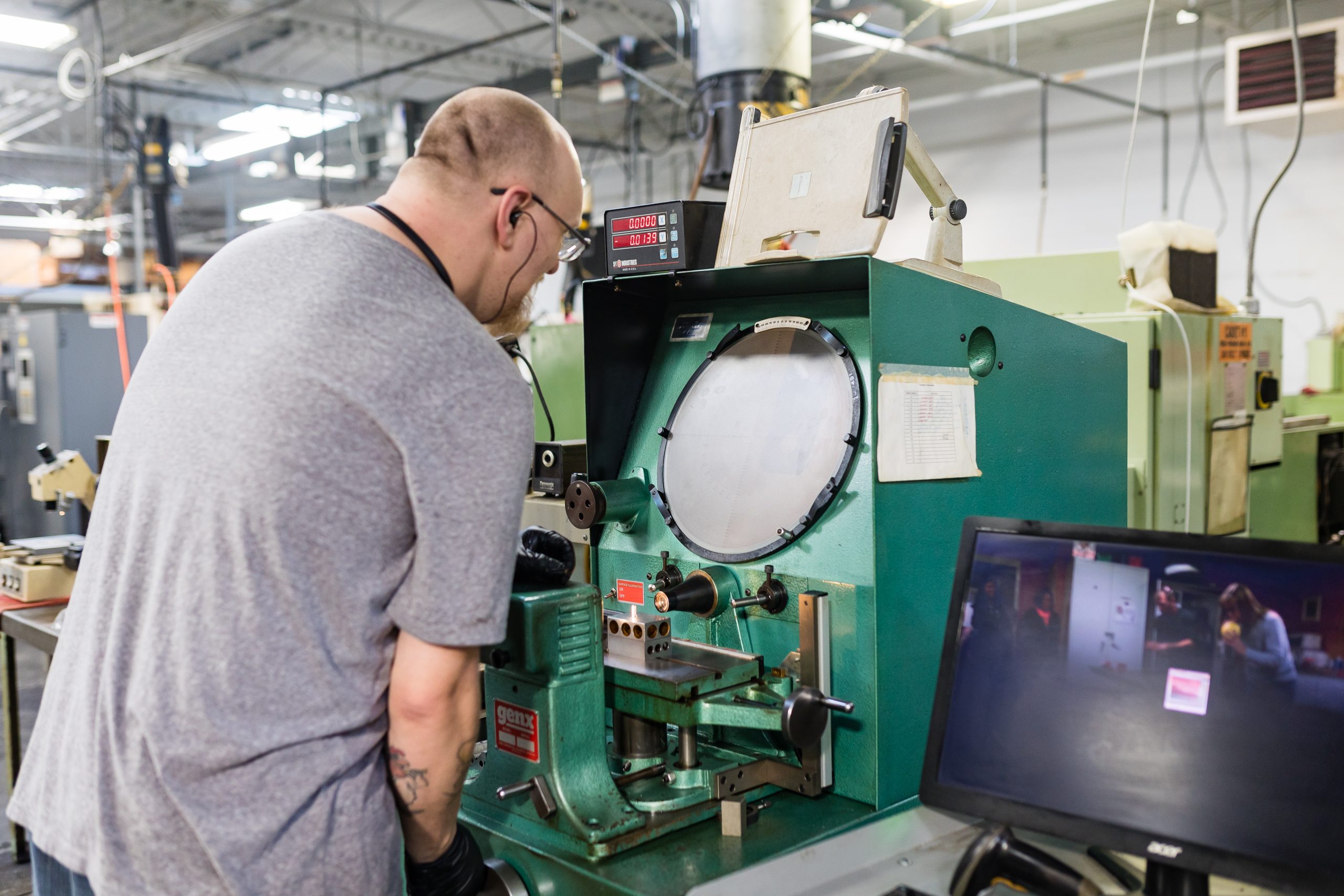
Many manufacturing problems begin long before a machine starts cutting material. In aerospace programs, the earliest engineering decisions often determine whether production remains stable or becomes a continuous cycle of adjustment, inspection, and corrective action. Design for manufacturability aerospace practices exist to reduce that risk before it reaches the floor.
The challenge is familiar across mission critical industries. A component is technically manufacturable, yet difficult to produce consistently at scale. Tight tolerances interact in ways that create instability. Inspection becomes increasingly complex. Tool wear affects repeatability faster than expected. None of these issues may appear during initial prototype work, but they surface once the program enters sustained production.
At that stage, the cost of change rises quickly. Drawings require revision control. Qualification timelines expand. Suppliers adjust processes to maintain output while protecting aerospace quality requirements. What could have been resolved during early engineering review becomes an operational burden carried throughout the life of the program.
What design for manufacturability aerospace actually means
Design for manufacturability aerospace is not about simplifying parts to make production easier. It is about aligning engineering intent with manufacturing reality early enough to reduce instability later.
In regulated environments, manufacturability includes far more than whether a feature can physically be machined. It considers process capability, inspection strategy, material behavior, traceability requirements, and long term repeatability.
A component may appear fully compliant on a drawing while still creating unnecessary manufacturing process risk. Tolerances may be technically achievable but difficult to sustain consistently over multiple lots. Datum structures may complicate inspection without improving functional performance. Surface finish requirements may interact with material properties in ways that shorten tool life and introduce variation.
DFM aerospace practices evaluate these relationships before production begins. The goal is not to compromise engineering requirements, but to support stable outcomes over the life of the program.
How early design decisions affect process stability
Early design decisions establish the foundation for every downstream activity. Once a program enters qualification and production, even minor changes become slower, more expensive, and more disruptive.
In aerospace manufacturing, tolerances, datum structures, material selection, and inspection strategy all influence how consistently a component can be produced over time. A design may appear fully compliant on paper while still creating unnecessary manufacturing process risk.
Tolerance stack up is one of the most common examples. Individual dimensions may remain within specification, yet their combined effect creates assembly instability as production volume increases. Suppliers often compensate operationally through additional inspection, setup adjustments, or manual process correction rather than true process stability.
Manufacturability also directly affects aerospace quality. Processes operating near the edge of capability become more sensitive to tool wear, environmental conditions, and material variation. Inspection complexity increases, corrective actions become more frequent, and traceability systems carry greater pressure to monitor process behavior accurately.
Programs with strong DFM aerospace practices reduce instability early. Engineering and manufacturing remain aligned from the beginning, critical characteristics are identified before production, and inspection strategies reflect realistic process capability rather than ideal conditions.
The result is more consistent production quality control, fewer late stage engineering changes, and lower supplier risk across long cycle programs.
Real scenarios where manufacturability decisions shape outcomes
Consider a component with multiple interacting geometric tolerances tied to a critical assembly. During prototype production, all dimensions measure within specification. Once sustained manufacturing begins, however, slight variation between features starts affecting assembly consistency.
No individual feature falls out of tolerance. The issue comes from how those features interact across multiple parts. Additional inspection checkpoints are introduced, but the root cause remains tied to the original tolerance structure.
Earlier engineering collaboration may have identified opportunities to simplify datum structures or redistribute tolerances without affecting function. Instead, the production team manages the instability operationally.
Material selection presents another common challenge. A high performance alloy may satisfy functional requirements while creating machining instability that affects surface finish and dimensional repeatability. Without early manufacturing input, the supplier may spend significant effort compensating for variability through increased inspection and process adjustment.
These situations are common in aerospace manufacturing. They demonstrate how early manufacturability decisions shape long term process stability.
Why engineering collaboration matters in long cycle programs
Engineering collaboration is most valuable before production constraints become fixed. Once tooling, inspection plans, and qualification documentation are established, even beneficial changes become difficult to implement.
Suppliers with strong manufacturing involvement during the design phase can identify practical concerns that may not be visible from a purely engineering perspective, including tolerance interaction, inspection feasibility, and long term process stability.
The goal is not to challenge engineering authority. It is to reduce uncertainty before it becomes embedded in the program.
For long cycle aerospace programs, this early alignment supports more stable production, more predictable supplier performance, and fewer disruptions during qualification and production ramp phases.
How EPSP approaches manufacturability in mission critical programs
EPSP engages with design intent early because that is where manufacturability decisions carry the most leverage. When program teams bring components to EPSP before design release, discussions focus on process feasibility, tolerance stability across production volumes, inspection planning, and alloy-specific material behavior.
This is not engineering consulting. It is process informed feedback grounded in what production can hold consistently, not what is theoretically achievable under ideal conditions. Aerospace programs depend on repeatability, not best case results.
The inspection discipline behind EPSP’s production process also informs the DFM conversation. Full CMM inspection data gives the manufacturing team direct visibility into process performance across hundreds or thousands of components. That production evidence shapes feedback on new designs. Tolerance discussions are not theoretical when historical process data is available.
EPSP also works with a deliberately limited number of programs to maintain meaningful technical engagement with each customer. Suppliers focused on high volume throughput have limited capacity to engage deeply on design risk. Suppliers supporting fewer mission critical relationships have stronger incentives to identify instability before it becomes a program issue.
The objective is not simply to produce compliant hardware. It is to support stable execution across the full lifecycle of the program.
Why manufacturability should matter to aerospace procurement teams
Manufacturability decisions influence far more than machining efficiency. They affect inspection complexity, process stability, supplier reliability, and long term program risk.
Programs with strong DFM aerospace alignment typically experience fewer quality escapes, smoother qualification cycles, and more predictable supplier performance. The benefit is often invisible when things are working well, which is precisely the point.
For procurement leaders and quality managers evaluating long term manufacturing partners, the important question is not simply whether a supplier can produce a compliant part today. It is whether their engineering collaboration and manufacturing discipline support stable execution over years of production.
Learn more about EPSP’s approach to design for manufacturability aerospace and explore how disciplined engineering collaboration supports reliable outcomes in mission critical programs.
